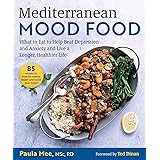
Have you ever considered what makes the Mediterranean diet a global benchmark for cardiovascular wellness?
As explored in the video above, this revered eating pattern transcends mere dietary guidelines, embodying a holistic lifestyle approach that has been consistently associated with remarkable health outcomes. For decades, the traditional Mediterranean diet has been extensively studied, with numerous findings underscoring its profound benefits, particularly for heart health, alongside reductions in the incidence of stroke and type 2 diabetes.
Contrary to popular misconceptions that might conjure images of unlimited pizza and pasta, the true essence of this dietary approach lies in a rich tapestry of fresh, unprocessed ingredients and mindful eating habits. Its widespread acclaim is not attributed to a single miracle food but rather to the synergistic effects of its diverse components and the lifestyle it encourages.
Understanding the Mediterranean Diet: Beyond the Plate
The term ‘Mediterranean diet’ itself can be somewhat fluid, given the vast geographical and cultural variations across countries bordering the Mediterranean Sea. Nevertheless, a consistent set of core principles and food groups is recognized as foundational to its health-promoting properties. This diet is predominantly plant-based, emphasizing an abundance of fruits, vegetables, whole grains, legumes, nuts, and seeds.
Olive oil, often considered the cornerstone of the Mediterranean diet, serves as the primary source of fat, contributing significantly to its unique flavor profile and health benefits. While fish, particularly oily varieties like salmon and sardines, is consumed regularly, red meat is typically enjoyed sparingly. Dairy products are included in small, moderate quantities, often in the form of yogurt and cheese, which are low in fat. Fresh herbs, onions, and garlic are also prominently featured, enhancing flavors without relying on excessive salt.
The Core Components of a Heart-Healthy Mediterranean Diet
To truly grasp why the Mediterranean diet is so beneficial, it is important to delve into its fundamental elements. These components are chosen not only for their nutritional value but also for their collective impact on various physiological processes.
- Abundant Fruits and Vegetables: These provide essential vitamins, minerals, and a wide array of antioxidants. Imagine a diet rich in colorful bell peppers, dark leafy greens, juicy tomatoes, and vibrant berries; these foods are packed with compounds that combat oxidative stress and inflammation within the body.
- Whole Grains: Unlike refined grains, whole grains such as wholemeal bread, brown rice, and oats retain their bran and germ, which are rich in fiber, B vitamins, and minerals. Their slower digestion helps maintain stable blood sugar levels and contributes to satiety.
- Beans and Pulses: Chickpeas, lentils, and kidney beans are excellent sources of plant-based protein and soluble fiber. These legumes play a crucial role in managing cholesterol levels and supporting gut health, which is increasingly recognized for its connection to overall wellness.
- Nuts and Seeds: Unsalted varieties like almonds, walnuts, and chia seeds offer healthy fats, protein, and fiber. These are important for cardiovascular function and can contribute to feelings of fullness, potentially aiding in weight management.
- Olive Oil: Extra virgin olive oil, in particular, is a monounsaturated fat powerhouse, celebrated for its anti-inflammatory and antioxidant properties. It is often used for cooking, dressing salads, and even as a dip, replacing less healthy saturated and trans fats.
- Fish and Seafood: Fatty fish, such as salmon, mackerel, and sardines, are rich in omega-3 fatty acids, which are crucial for reducing inflammation and supporting brain and heart health. They are consumed several times a week, providing a lean protein source.
- Lean Meats and Low-Fat Dairy: These are consumed in smaller quantities compared to many Western diets. The emphasis is on quality over quantity, with poultry often preferred over red meat. Dairy is typically enjoyed in fermented forms like yogurt.
- Herbs and Spices: Fresh herbs like basil, oregano, rosemary, along with garlic and onions, are utilized extensively. These ingredients not only add flavor but also contain various bioactive compounds with antioxidant and anti-inflammatory effects, reducing the need for added salt.
Unpacking the Cardioprotective Mechanisms
The remarkable health benefits of the Mediterranean diet are not attributable to a single food but rather to the complex interplay of its entire composition. Several key mechanisms contribute to its protective effects on the heart and circulatory system.
The Power of Unsaturated Fats
One of the most significant aspects of the Mediterranean diet is its emphasis on unsaturated fats, particularly monounsaturated and polyunsaturated fats. Olive oil, a staple, is primarily composed of monounsaturated fatty acids (MUFAs), especially oleic acid. Furthermore, polyunsaturated fatty acids (PUFAs), including the vital omega-3s, are abundant in oily fish like salmon and in various nuts and seeds.
When saturated fats, often found in red meat and processed foods, are replaced with these healthier unsaturated fats, a measurable reduction in low-density lipoprotein (LDL) cholesterol, often referred to as “bad” cholesterol, is observed over time. This reduction is a critical factor in mitigating the risk of atherosclerosis, which is the hardening and narrowing of arteries, thereby decreasing the likelihood of heart attacks and strokes.
Reducing Sodium Intake and Managing Blood Pressure
A hallmark of the traditional Mediterranean diet is its reliance on fresh, unprocessed foods. This inherent characteristic naturally leads to a lower intake of sodium compared to diets high in packaged and restaurant foods. Research consistently shows that excessive sodium consumption is a primary contributor to high blood pressure, a major risk factor for heart disease and stroke.
By prioritizing whole foods and flavoring meals with an array of fresh herbs, spices, garlic, and onions, the need for added salt is dramatically diminished. Consequently, blood pressure levels are more readily maintained within a healthy range, offering substantial protection to the cardiovascular system.
The Role of Dietary Fiber
Dietary fiber is another hero of the Mediterranean diet, found in abundance in its rich supply of fruits, vegetables, whole grains, beans, and pulses. Specifically, soluble fiber plays a pivotal role in heart health.
When soluble fiber is consumed, it forms a gel-like substance in the digestive tract that binds with cholesterol particles, preventing their absorption and facilitating their excretion from the body. This mechanism directly contributes to lower blood cholesterol levels. Moreover, a diet rich in fiber is associated with improved glycemic control and reduced inflammation, both of which are beneficial for long-term cardiovascular health.
Weight Management and Metabolic Health
Numerous studies have indicated that adherence to a Mediterranean diet can significantly aid in maintaining a healthy weight. This is attributed to several factors, including the high fiber content, which promotes satiety, and the emphasis on nutrient-dense, lower-calorie whole foods over energy-dense, processed options.
Effective weight management is crucial for heart health, as excess weight, particularly around the abdomen, is linked to higher risks of high blood pressure, type 2 diabetes, and high cholesterol. By promoting a balanced energy intake and nutrient-rich consumption, the Mediterranean diet indirectly supports a healthy metabolism, thereby reducing the overall burden on the heart and circulatory system.
Beyond Nutrition: Lifestyle as Medicine
It is important to acknowledge that the benefits derived from the Mediterranean lifestyle extend beyond just food and drink. Traditional Mediterranean communities integrate several lifestyle habits that contribute significantly to their overall well-being and lower risk of chronic diseases.
These habits often include eating meals slowly and with others, fostering social connections and reducing stress. Leading a more relaxed way of life, minimizing chronic stress, is known to have positive impacts on cardiovascular health. Furthermore, regular physical activity is an integral part of this lifestyle, whether through daily walking, gardening, or other forms of movement. These combined elements create a powerful synergy that amplifies the protective effects of the diet, reinforcing the idea that wellness is a holistic endeavor.
Practical Steps to Adopt a Mediterranean Lifestyle
Integrating the principles of the Mediterranean diet into one’s daily life can be a gradual yet highly rewarding process. It does not require a complete overhaul overnight but rather a series of mindful choices that collectively contribute to better health. Imagine if each meal was viewed as an opportunity to nourish your body with wholesome, vibrant foods.
One might begin by replacing butter with extra virgin olive oil for cooking and dressings. Another practical step involves increasing the daily intake of fruits and vegetables, aiming for at least five portions. Incorporating more fish into the weekly menu, especially fatty fish rich in omega-3s, would be a beneficial change. Similarly, swapping refined grains for whole grains like brown rice, whole wheat pasta, and oats can make a substantial difference.
Reducing the consumption of processed foods and added sugars is also paramount. When choosing snacks, options such as unsalted nuts, seeds, and fresh fruit align perfectly with the Mediterranean ethos. While the video notes that wine is optional, it stresses that if alcohol is consumed, it should be in strict moderation, ideally no more than 14 units per week, which translates to roughly 6 standard glasses of wine. This careful approach to alcohol consumption is critical for protecting the heart and maintaining overall health within the Mediterranean diet framework.
Mediterranean Heart Health: Your Questions Answered
What is the Mediterranean diet?
The Mediterranean diet is a plant-based eating pattern that emphasizes fresh, unprocessed foods. It focuses on fruits, vegetables, whole grains, legumes, nuts, seeds, and olive oil.
Why is the Mediterranean diet good for your heart?
It is beneficial for heart health because it helps to lower ‘bad’ cholesterol and manage blood pressure. This reduces the overall risk of heart attacks and strokes.
What are the main types of foods included in the Mediterranean diet?
The diet is rich in fruits, vegetables, whole grains, beans, nuts, and seeds, with olive oil as the main fat source. Fish and seafood are consumed regularly, while red meat and dairy are eaten sparingly.
How does the Mediterranean diet help lower cholesterol?
It replaces unhealthy fats with beneficial unsaturated fats from sources like olive oil and oily fish, which reduce ‘bad’ cholesterol. The abundant fiber in fruits, vegetables, and whole grains also helps remove cholesterol from the body.